What is your skin barrier?
Your skin’s outermost layer, the stratum corneum, helps keep moisture in and protects against external irritants. Think of it as a wall: skin cells are the bricks, and the lipids between them help hold the structure together.
When this barrier is functioning well, skin is better able to retain water. When it is disrupted, moisture can escape more easily and products or environmental factors may cause irritation. Barrier care is about supporting this protective layer—not chasing a perfectly poreless complexion.
Signs your skin may need a gentler routine
- Tightness, especially after cleansing.
- Dryness, flaking or a rougher texture.
- Stinging or burning when applying products.
- Redness, itching or increased sensitivity.
These signs are not a diagnosis of a “damaged barrier”. Eczema, contact dermatitis and other skin conditions can look similar. Persistent or worsening symptoms deserve medical advice rather than another new product.
Why can the barrier become unsettled?
Over-cleansing, harsh scrubs, frequent exfoliation and introducing several active products at once can leave skin feeling uncomfortable. Cold weather, dry air and hot water can also contribute to dryness.
Retinol and exfoliating acids can have a place in a carefully chosen routine, but more is not always better. If a product causes ongoing burning or peeling, don’t assume you need to push through it. Pause the suspected irritant and seek advice; ask your prescriber before changing prescribed treatment.
Where ALLSKIN | MED fits
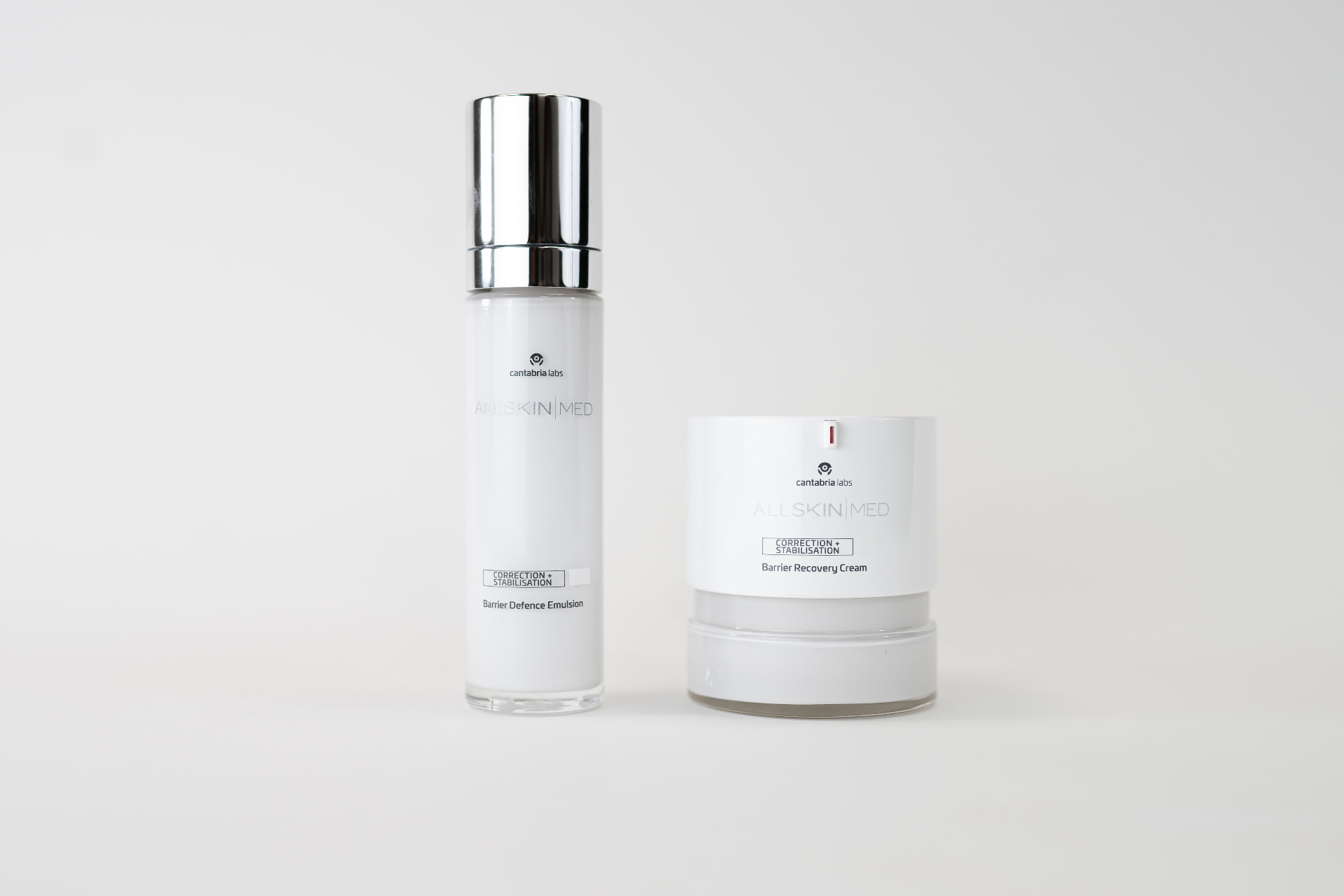
ALLSKIN | MED, from Cantabria Labs, has a dedicated Skin Barrier range. Its manufacturer describes the range as supporting barrier function, with Reoxderm® technology and antioxidant properties. This is the brand’s product description—not a promise that a cream will treat a skin condition or work for everyone.
Barrier Defence Emulsion
The brand describes Barrier Defence Emulsion as light and fast-absorbing, with niacinamide, emollients and Reoxderm®. Importantly, it also contains retinol at a concentration below 0.1%—so it is not simply a bland moisturiser. Emma can help you decide whether it belongs in your routine, especially if your skin is already stinging or you use other active products.
The manufacturer recommends morning application after cleansing, followed by moisturiser and SPF, avoiding the eye contour. Because it contains retinol, do not use it during pregnancy or when trying to conceive; seek advice if breastfeeding. Daily broad-spectrum sun protection is essential.
Barrier Recovery Cream
The manufacturer lists ceramides, cholesterol and fatty acids in Barrier Recovery Cream’s repairing system, alongside emollients and antioxidant ingredients. These types of lipids are also naturally found in the skin barrier, making this a product to discuss when your routine needs a focus on moisture and comfort.
The UK product guidance recommends application to clean, dry skin in the morning or evening, avoiding the eye contour. Although the brand describes post-treatment use, follow Emma’s specific aftercare instructions rather than applying it automatically after a procedure.
You do not necessarily need both. The choice should reflect your skin, preferences and the product’s current instructions. Check the ingredient list for known allergies, introduce one new product at a time and stop using it if irritation develops.
Both UK ingredient lists include fragrance. “Barrier care” does not automatically mean fragrance-free or suitable for every sensitive skin. The brand’s reported user studies were small, lasted four weeks and excluded sensitive skin; they cannot guarantee your result or show that these products treat eczema.
A simple barrier-friendly starting point
- Cleanse gently. Choose a mild cleanser, use lukewarm rather than hot water, and avoid scrubbing.
- Keep moisturising consistent. Use a moisturiser your skin tolerates; apply after washing while skin is still slightly damp, unless your product or aftercare instructions say otherwise.
- Protect from the sun. Use broad-spectrum SPF 30 or higher daily, with shade and protective clothing. Barrier Defence Emulsion is not a substitute for a labelled sunscreen.
- Simplify before adding more. Reduce unnecessary scrubs and exfoliants while skin is uncomfortable. Reintroduce non-prescription actives gradually once it has settled, with advice if needed.
There is no universal timetable for “repairing” a barrier. How quickly skin settles depends on the cause, your skin condition and the care it needs.
Barrier care around treatments
If you are planning NeoGen, a peel or microneedling, tell Emma about any current redness, stinging, rash or dryness before your appointment. Unsettled skin may need assessment and a change of plan rather than a more intensive treatment.
After treatment, follow your individual aftercare instructions. Do not assume your usual retinol, acids—or even a new barrier cream—should be used immediately. Emma will advise which products to use and when to restart the rest of your routine.
Start with your skin, not a shopping list
At Emma Martin Aesthetics in Winkfield, near Windsor and Ascot, skincare advice starts with how your skin feels and what you already use. ALLSKIN | MED may form part of that plan, but a simpler routine or medical assessment may be the better first step.
Book a complimentary 15-minute video or telephone consultation to discuss your routine and whether barrier-focused skincare is suitable for you.